Countdown to CQUniversity: An Analysis of a Student-Driven Program Designed to Help Students Transition to University, Before They Start University
Publication, Lead Author (2026) Journal of Education and Learning Environments
The transition into university study can be challenging, particularly for students from non-traditional backgrounds who may lack cultural capital or familiarity with academic expectations. In response, CQUniversity co-designed a pre-term early intervention program, Countdown to CQUniversity, using a participatory action research (PAR) approach that actively incorporated the student voice into all stages of development. The program comprises five short online modules addressing orientation, time management, academic integrity, critical thinking, and the learning management system. LINK
ENTERTAINMENT VALUES: HOW DO WE ASSESS ENTERTAINMENT AND WHY DOES IT MATTER?
Book chapter, Anderson & Burt (2017)
Society has never been more thoroughly manufactured toward driving endless consumption. This fact is perhaps nowhere more visible than in its manufacture of both the need for excitement and an abundance of forms for filling that need. We are groaning under the weight of endless media-hyped thrills, promises of rip-roaring sensations, and fears.
Entertainment Values challenges this assumption, offering a better understanding of what entertainment is, why we should take it seriously, as well as helping us to appreciate the significant and complex impact it has on our culture. LINK
INNOVATIVE TEACHING AND LEARNING IN HIGHER EDUCATION: Virtual Reality in the classroom and the mandate to bring edutainment to adult learners
Book Chapter, Klopper, C & Burt M. (2017) "Virtual Reality in the classroom and the mandate to bring edutainment to adult learners"
It is contended that designing and delivering VR learning experiences founded in adult learning theory not only appeals to the adult learner but also ensures active participation in the learning process and the motivation for learners to imbibe information, rather than just simply memorise. LINK

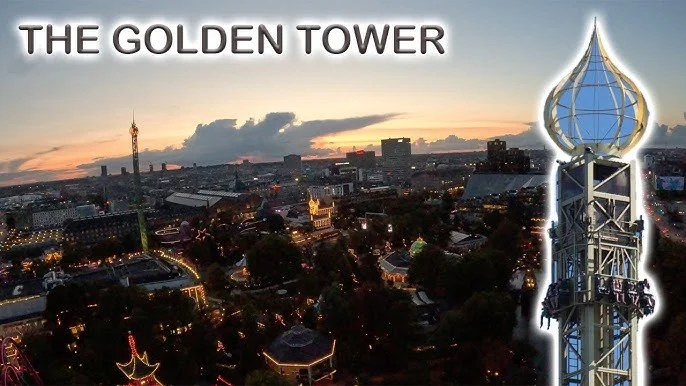
Virtual reality, video screen shots and sensor data for a large drop tower ride
Publication, Burt, Pendrill, Physics Education (2020)
Large drop towers let you experience a couple of seconds of nearly free fall before stopping gracefully in magnetic brakes or bouncing a number of times on compressed air, as in the Turbo Drop tower considered in this work, where many complementary representations are used. An accelerometer taken along the ride captured the forces experienced by the body, and a pressure sensor provided a simultaneous proxy measurement of elevation.
This work thus provides a wide range of representations, aimed to support student representational fluency and conceptual understanding of important force and motion concepts. LINK
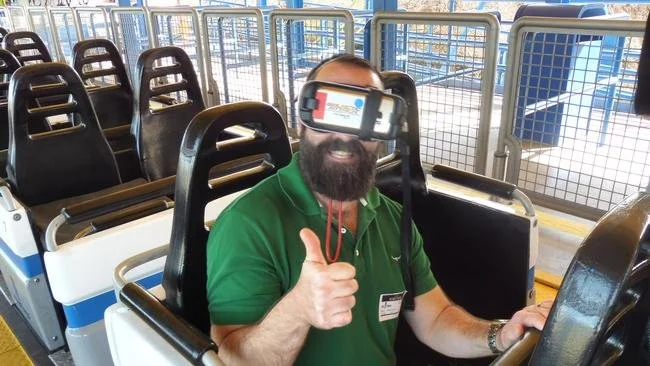
Virtual Reality Enhanced Roller Coasters and the Future of Entertainment – Audience Expectations
Publication, Burt, Louw, (2019) World Leisure Journal
Roller coasters are often acknowledged as the icons of amusement and leisure with their towering structures forming an integral part of any theme or amusement parks’ prestigious ride infrastructure. As with any infrastructure roller coasters come at a high cost, but inevitably also become outdated. By leveraging the power of Virtual Reality (VR) technology, there is an opportunity to integrate innovative, creative and captivating new VR experience overlays with existing roller coasters, thereby generating new interest in older ride infrastructure. LINK
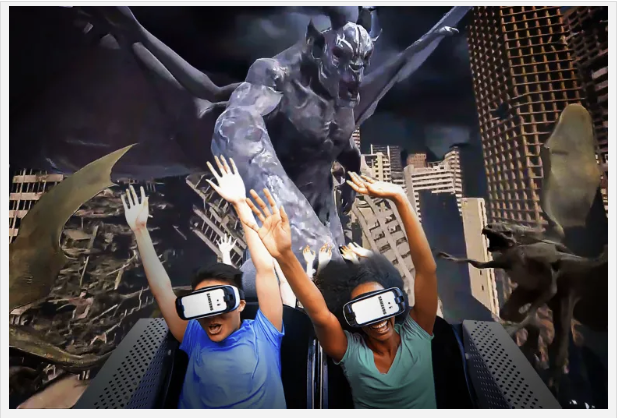
A CENTURY OF VIRTUAL AMUSEMENT
Publication, Burt, Zika (2018) Refractory - A Journal of Entertainment Media
At the turn of 20th century the whole of America was talking about Coney Island—New York’s famous entertainment district was booming, and sported attractions like none other. George Tilyou was the enigmatic owner of the park and he knew how to woo a crowd—by adapting technologies that he had seen in the military and employing them in rides. Today we see the beginnings of a new media space that combines innovations from military and engineering with effects a century old. LINK
Virtual reality has failed education, so what should we do with it?
Publication, Burt (2022) Times Higher Education
in education, VR has also been promoted as a gleaming utopian vision: attentive groups of students wearing the latest headsets learning in flawless, sophisticated and simultaneous simulations, at one with technology. Sometimes they’re not even in a classroom, because their magnificent virtual set-ups don’t require them to leave the house. The reality is something quite different – few institutions can afford this vision, and even for the lucky few that can, they are of virtually no use to distance education teachers and students. But there is a way forward, and it’s small. LINK
Proposing a New Narrative Form: Virtual Reality Entertainment Ride Narrative
Publication, Burt (2024) Prepress
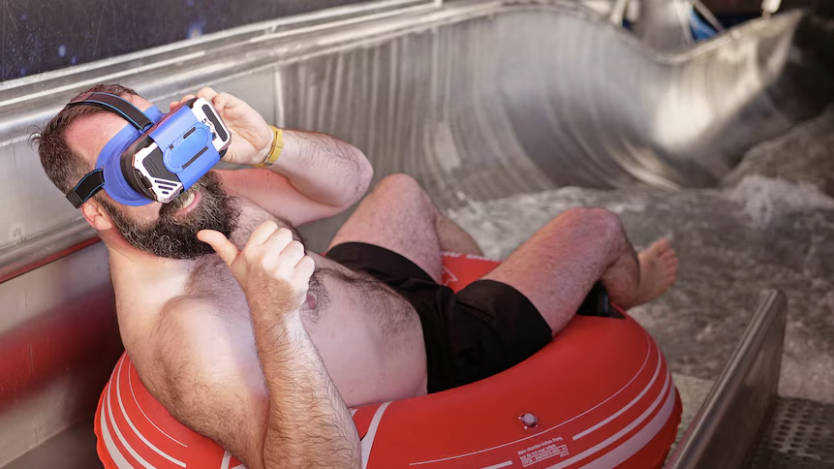
Narratives have long been a central component of amusement park attractions, from the early thematic designs of Disney's dark rides to the story-driven thrill rides of today. However, traditional ride-based storytelling has been largely passive, with audiences moving through fixed narratives. With the advent of virtual reality (VR) technology, this passive consumption is shifting toward more interactive and participatory forms. This may necessitate the creation of a new form of narrative–VR Entertainment Ride Narrative–which builds on traditional narrative elements such as gaming and film, whilst engaging with physical elements and g-forces, adding an entirely new dimension to the ride experience. VR serves as the key tool for blurring the lines between reality and fiction. By overlaying a virtual narrative experience onto the physical sensations of a ride, participants experience heightened immersion, where visual and physical inputs are synchronised. LINK